



A big Bitcoin holder just tapped the brakes. Strategy disclosed it sold 1,690 BTC and, separately, that its dollar reserve now sits at $4.65 billion. For a market that watches every treasury move like a hawk, that combination says a lot about priorities right now: liquidity first, optionality second.
It is not a panic signal. It reads more like a tidy rebalance in a market where cash actually earns something again and liquidity can vanish in a blink.
The sale was small relative to daily volumes, but symbolically loud. Here is why it matters and what it might signal for the rest of 2026.
Bitcoin treasuries have had a glow-up since spot ETFs tightened price discovery and deepened two-way flow. But the other side of that maturity is a more professional approach to balance sheet risk. Strategy’s 1,690 BTC sale, paired with a $4.65 billion cash war chest, looks like a treasury choosing certainty over drift.
In an environment where T-bill yields remain attractive and risk events cluster without warning, dollars buy time, choices, and better entries.
Who feels this? Corporate treasurers with crypto exposure, miners nursing thinner post-halving margins, funds running basis trades, and retail traders trying to front-run the next big whale print. The timing hints at a few things: hedging ahead of macro events, meeting internal liquidity thresholds, or just taking advantage of strong bid depth to adjust without leaving a mark.
Why This Sale, Now
Macro backstory that actually matters
Cash is no longer dead weight. Short-dated government paper has kept yields at levels that remain compelling compared to most of the last decade. Even if central banks drift toward easing, those cuts typically arrive in fits and starts. If you manage a volatile asset on one side of the balance sheet, it is normal to want ballast on the other.
Operational flexibility beats headline exposure
Liquidity windows open and close quickly. A small sale in a liquid tape can reduce tail risk without changing the strategic view on Bitcoin. Think of it like trimming the sail in crosswinds rather than abandoning the voyage.
Could also be housekeeping
Large portfolios juggle taxes, redemptions, hedges that need collateral, and vendor payments. A sale of 1,690 BTC might simply align cash with upcoming obligations while preserving a large BTC core.
How the Dollar Reserve Grew to $4.65B
Strategy’s reported dollar reserve, at $4.65 billion, is the headline. The path to that figure could blend operating cash flow, financing, and periodic crypto conversions. The point is not the mix so much as the posture: it is a buffer that can be deployed into market stress or used to fund growth without tapping risk assets at bad prices.
Where does that cash likely sit?
Most treasurers right now park idle dollars in instruments that settle fast and preserve optionality:
- Short-term U.S. Treasuries or repo with high-quality collateral
- Institutional money market funds with same-day liquidity
- Bank deposits spread across counterparties for coverage and access
What a responsible execution looked like
- Board or treasury committee sets a target cash level and BTC band.
- Risk signs off on size, counterparties, and acceptable slippage.
- Trade is routed through OTC desks to avoid price impact, sometimes paired with block prints on exchange.
- Settlement moves coins from cold storage to an execution wallet, then back to custody post-trade.
- Accounting books realized gains/losses and updates hedges if any.
- Disclosure lands after positions are squared and reconciled.
None of that requires a change in long-term conviction. It is just grown-up treasury work.
Market Impact and Liquidity Footprint
On paper, 1,690 BTC is not trivial. In practice, deep markets can swallow it if you pick your spot. Spot ETFs, basis players, and arbitrageurs now provide a steadier bid-ask regime than the market had two years ago. That said, a poorly timed dump still bruises price, and any public disclosure can nudge sentiment.
How a sale lands in today’s market
- OTC liquidity helps mask footprint but settles back into the tape via ETFs and market makers.
- Futures basis tightens as arbitrageurs lean in, dampening slippage.
- Short-term narratives flare up on social feeds, then fade if follow-through selling does not arrive.
Big picture, the presence of a large dollar reserve can actually be supportive. It signals the holder has dry powder for stress and is less likely to be a forced seller later.
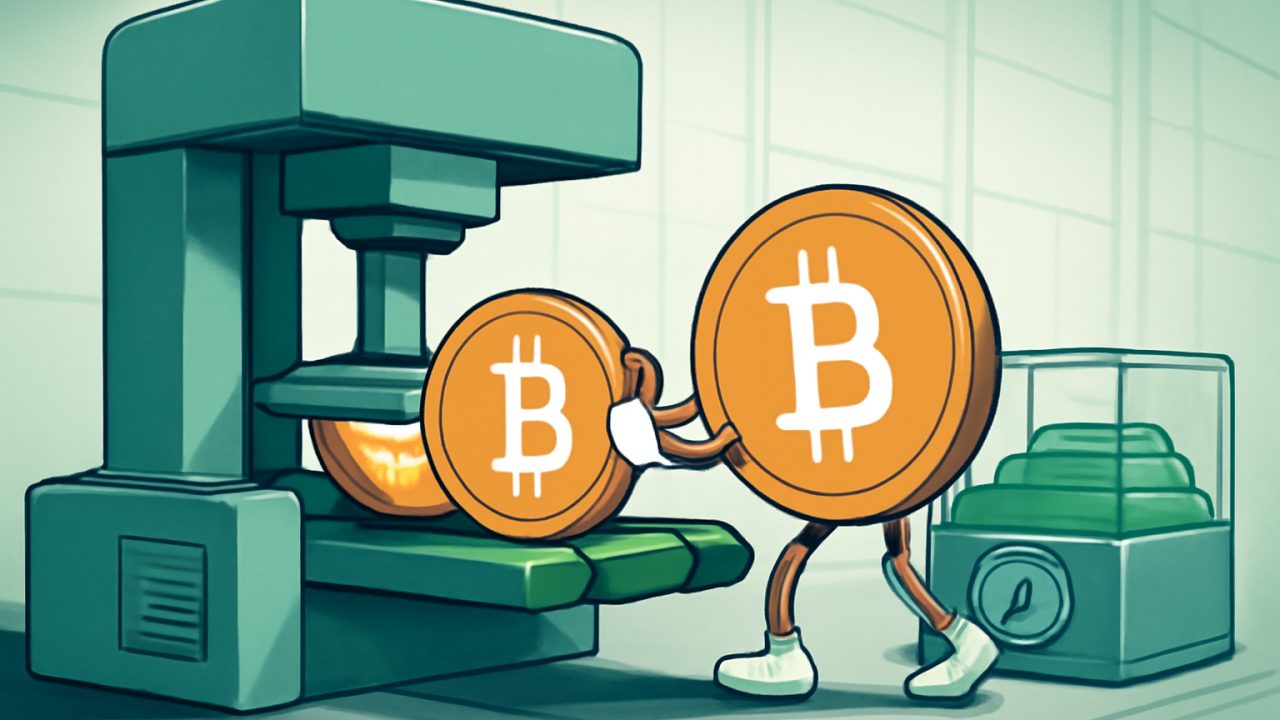
Treasury Playbooks That Work in 2026
There is no single right way to run a crypto treasury, but there are a few frameworks that keep showing up. Here is a quick comparison to ground the conversation.
| Approach | Pros | Cons | When it fits |
|---|---|---|---|
| Hold-only with cash buffer | Simple, low operational overhead, clear narrative | Exposed to drawdowns, opportunity cost if cash too small | Long horizon, low need for monthly liquidity |
| Dynamic bands (trim/add) | Systematic risk control, harvests volatility | Needs discipline and execution access | Teams with risk limits and OTC relationships |
| Covered calls on a slice | Generates income, softens mild drawdowns | Caps upside, option liquidity varies | Range-bound views, income targets |
| Collateralized lending | Unlocks cash without selling | Margin call risk, counterparty exposure | Short-term liquidity needs with monitoring |
| Stablecoin diversification | Faster on-chain settlement, yields via T-bill backed funds | Issuer, regulatory, and depeg risks | On-chain ops and cross-exchange flows |
Where Strategy’s move fits
Trimming BTC while lifting cash looks like a dynamic band approach with a heavier liquidity cushion. It reduces tail risk into uncertain macro while keeping plenty of upside exposure if Bitcoin rips later.
What It Signals for Bitcoin’s Next Stretch
The cycle has adult supervision now
Spot ETFs, larger OTC rails, and more seasoned treasurers mean there are more ways to adjust risk without torpedoing price. That is good for long-term holders who prefer less shock and awe and more glide path.
Rates and risk appetite still set the tone
If front-end yields stay relatively elevated, expect more corporate desks to maintain thicker cash lines. If cuts gather speed, some of that cash can find its way back into BTC without fireworks.
Optionality will be prized
With a $4.65 billion cushion, Strategy can buy dips, seed new ventures, or just wait. Optionality is underrated. It prevents bad decisions made under stress.
Risks & What Could Go Wrong
- Market timing risk: trimming before an upside breakout leaves performance on the table.
- Execution slippage: poor routing or thin liquidity windows can widen costs.
- Counterparty risk: OTC and custodian failures are low probability but non-zero.
- Policy shifts: regulatory actions can freeze rails or shift liquidity across venues.
- Operational errors: wallet movements, settlement mismatches, or disclosure missteps.
- Optics risk: a sale may be misread as a bearish signal, amplifying short-term volatility.
The real hazard is not the trim itself, but complacency around process, counterparties, and communications when the market turns fast.
Frequently Asked Questions
Did Strategy signal a bearish view on Bitcoin?
Not necessarily. A modest sale to raise liquidity can be a risk-management choice, not a macro call. The enlarged cash reserve suggests a preference for optionality, not an exit.
Why highlight the $4.65 billion dollar reserve?
Because it shows posture. A big cash stack can absorb shocks, fund operations, or buy dips. It also reduces the odds of forced selling during drawdowns.
How big is 1,690 BTC in market terms?
It is meaningful for a single wallet but small relative to total daily BTC turnover. Executed through OTC and liquidity windows, it does not have to move the market.
Where is the cash likely parked?
Typically in a mix of short-term government securities, repo, money market funds, and diversified bank deposits to balance yield and instant access.
Could Strategy have borrowed instead of selling?
Yes. Some treasuries borrow against BTC to raise cash. The trade-off is margin risk and counterparty exposure. Selling a small slice removes those risks at the cost of reducing upside exposure.
What would make Strategy add back to BTC?
Clearer macro visibility, improved liquidity conditions, or a valuation reset are common triggers. With a large dollar reserve, they can act quickly if that setup appears.
Does this affect retail traders?
Indirectly. Large treasury moves can sway short-term sentiment, but the deeper market today usually absorbs such flows without lasting dislocation.