


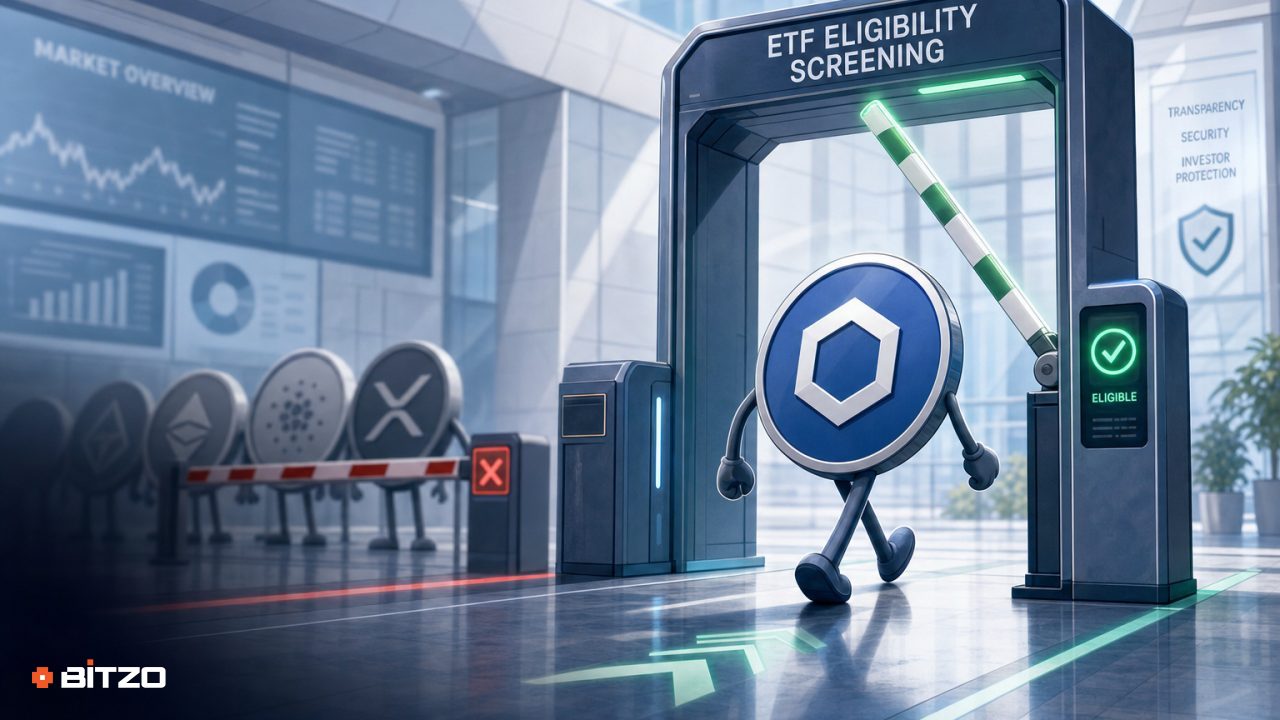
If you woke up to headlines about T. Rowe Price launching an active crypto ETF and wondered which altcoins actually made the cut, you’re in the right place. The fund is new, the list is specific, and there are some surprises.
We’ll walk through the full eligible asset lineup for TKNZ, how an “eligible” list differs from what the ETF may actually hold day to day, what the fee buys you, and the practical risks to keep in mind before you hit buy.
T. Rowe Price’s Active Crypto ETF, ticker TKNZ, began trading on NYSE Arca on July 16, 2026, and its SEC 8‑K lists 17 eligible assets that the fund may hold, including BTC, ETH, SOL, XRP, ADA, AVAX, LTC, DOT, DOGE, HBAR, BCH, LINK, XLM, SHIB, SUI, HYPE, and BNB. The fund is actively managed, so it can hold some, all, or none of these at any given time. The management fee is 0.75% net of a waiver through May 31, 2027, scheduled to revert to 0.90% on June 1, 2027.
- Launch details: trading live on NYSE Arca since July 16, 2026 (T. Rowe Price press release).
- Eligible assets: 17 crypto names listed in the SEC 8‑K, spanning blue chips, infrastructure, and memes (SEC Form 8‑K).
- Trading support: agreements disclosed with StoneX Digital LLC and a liquidity provider group that includes Virtu (SEC Form 8‑K).
- Fees: 0.75% net via waiver until May 31, 2027, then scheduled 0.90% (T. Rowe Price press release).
Which altcoins are actually on TKNZ’s eligible list?
The SEC 8‑K filed for the fund lists 17 “Eligible Assets.” Here they are, alphabetically by ticker: BTC, ETH, SOL, XRP, ADA, AVAX, LTC, DOT, DOGE, HBAR, BCH, LINK, XLM, SHIB, SUI, HYPE, and BNB. That is a broad spread across smart contract platforms, oracles, payments, and a couple of meme heavyweights. You can check the filing yourself to confirm the set and any updates that follow (SEC Form 8‑K).
A few quick observations. It mixes large caps like bitcoin and ether with higher beta names such as solana and avalanche. Chainlink appears as the oracle pick. The list includes both dogecoin and shiba inu, which tells you liquidity and market relevance beat purity tests here. You also see SUI and HYPE, pointing to newer ecosystems finding a seat at the table.
One more thing. Eligible does not mean the fund will always hold every name. It simply means the manager can allocate to these assets when market conditions and liquidity cooperate. Day to day holdings can be a subset.
Eligible list vs actual holdings: what’s the difference?
Think of the “eligible list” as a menu. The actual portfolio is today’s order. The manager can dial exposure up or down, or skip certain assets entirely, based on market views, liquidity, and risk controls. That is the whole point of active management.
The 8‑K also discloses operational plumbing: a Digital Asset Trading Agreement with StoneX Digital LLC and a Liquidity Provider Agreement that includes Virtu to support spot trading for the fund (SEC Form 8‑K). Those counterparties help the ETF source coins efficiently and keep spreads in check, especially when moving between multiple altcoins.
In practice, you might see the fund overweight assets with deeper order books and clearer price discovery during volatile windows. Smaller or spikier names could be sized down. Don’t be surprised if holdings differ meaningfully from the 17‑asset menu at any snapshot in time.
Why mix blue chips with memes on a single eligible list?
On paper it looks odd to see BTC next to DOGE. In reality, liquidity rules this market. Meme coins like dogecoin and shiba inu trade in size, clear on major venues, and can diversify factor exposure. When risk is on, these names often move differently than BTC and ETH, for better or worse.
There’s also a portfolio engineering angle. An active manager might pair a core BTC and ETH base with tactical tilts into SOL, AVAX, or LINK when on chain usage and flows support it, then trim back when momentum fades. Meme coins can serve as high beta sleeves in that construction, provided risk is sized.
Regulatory context still matters. Tokens connected to ongoing legal proceedings or exchange specific dynamics can carry headline risk. The eligible list simply authorizes potential exposure. Allocation, if any, depends on liquidity, custody availability, and the manager’s risk framework.
How will TKNZ handle trading and liquidity across so many coins?
Active crypto ETFs live or die by execution. T. Rowe Price disclosed arrangements with StoneX Digital for trading and a liquidity provider group that includes Virtu to support the fund’s spot activity (SEC Form 8‑K). That setup should help source coins, cross venues, and reduce slippage.
On exchange, you trade TKNZ like any ETF. Behind the scenes, authorized participants create and redeem shares to keep the market price close to the fund’s net asset value. Spreads can still widen during fast markets, and altcoin legs of the basket might move harder than BTC and ETH on news.
Check the fund’s website for indicative holdings and pricing signals. When alt volatility spikes, it pays to use limit orders and avoid thin midday lulls.
Pro tip: Watch for periodic SEC filings and sponsor updates. If the eligible list changes or the fund revises its trading counterparties, it will likely show up first in an 8‑K or supplement, then flow through to how the portfolio trades.
Is the 0.75% net fee fair for an active multi-asset crypto ETF?
The fee lands at 0.75% net of a waiver through May 31, 2027, then is scheduled to revert to 0.90% starting June 1, 2027 (T. Rowe Price press release). You’re paying for active selection and the operational lift of trading multiple spot coins, not just one.
Whether that is “worth it” depends on what you need. If your goal is pure BTC beta, single asset spot ETFs usually come cheaper and simpler. If you want a managed sleeve that can tilt into altcoins without rebalancing a dozen exchange accounts yourself, then the higher fee may be a trade you accept.
| Feature | TKNZ Active Crypto ETF | Single Asset Spot ETF (e.g., BTC) | Static Crypto Index ETP |
|---|---|---|---|
| Asset scope | Up to 17 eligible coins | One coin only | Fixed basket by rules |
| Management | Active allocation | Passive tracking | Passive, rules based |
| Fee | 0.75% net until May 31, 2027; scheduled 0.90% after | Varies by issuer, typically lower | Varies; check prospectus |
| Rebalancing | Discretionary | Not applicable | Periodic per index |
| Volatility | Diversified but includes alts | Tracks the single asset | Tracks index mix |
| Use case | One ticket alt exposure with oversight | Pure asset exposure | Broad market beta |
What should I check before I buy TKNZ?
A little prep goes a long way. The eligible list is broad, but your entry price, broker, and tax setup still matter more than people think.
- Confirm your broker’s commission and ETF trading settings, including limit order defaults.
- Check the fund’s latest holdings and any supplements to the eligible list on the sponsor site or EDGAR.
- Look at intraday spreads and average daily volume. Thin days can cost you real money.
- Mind the fee timeline. The waiver to 0.75% runs until May 31, 2027, then is scheduled to step up.
- Consider position sizing. Alts can move far faster than BTC and ETH.
One more sanity check. Make sure you actually want active management. If you prefer to pick your own altcoins, a brokerage account and self directed trades might suit you better. If you want a one ticket solution with a professional behind the wheel, this is built for that.
What are the key risks and constraints in 2026?
Market risk is the obvious one. Alts can reprice 10 to 20 percent in a day when sentiment turns. That hits a multi asset ETF fast. Diversification helps, but it is not a shield.
Operational risk matters, too. The fund relies on trading counterparties and custody infrastructure to move and secure coins. The SEC 8‑K notes StoneX Digital and a liquidity provider group that includes Virtu, which should help execution, but no setup removes venue outages or liquidity air pockets entirely (SEC Form 8‑K).
Regulatory uncertainty lingers around some assets and venues. If a token faces new restrictions or a venue changes listing status, allocation could be reduced or removed. Finally, tracking and tax rules for crypto ETFs can evolve. Always check the latest prospectus and your own tax guidance before making moves.
Common Mistakes
- Assuming all 17 assets are always held. The list is a permission set, not a guarantee. Check current holdings before inferring exposure.
- Buying at market during a volatility spike. Use limit orders and watch the spread. Thin liquidity on alt legs can widen ETF spreads.
- Ignoring the fee step up. The net 0.75% fee is waived until May 31, 2027, then scheduled at 0.90%. Budget for that future cost.
- Over sizing alt exposure. Even inside an ETF, high beta names can pull portfolio returns around more than you expect.
- Not tracking filings. If the sponsor updates the eligible list or counterparties, it will show up in EDGAR first.
Frequently Asked Questions
Can the eligible asset list change later?
It could. Sponsors typically update eligible assets via SEC filings and prospectus supplements. Keep an eye on EDGAR and the fund’s site for revisions to the menu.
Does TKNZ have to hold BNB or other higher risk names if they’re eligible?
No. Eligibility allows, it does not require. The manager can avoid assets if liquidity, custody, or regulatory context makes them unattractive at a given time.
How often will I see holdings?
Active ETFs often publish holdings daily or with a short lag, but practices vary. Check the sponsor’s website and the prospectus for the current disclosure cadence.
Can I redeem shares for crypto directly?
Regular investors can’t. Only authorized participants handle creations and redemptions with the fund. Everyone else trades shares on exchange like any other ETF.
Does the fund stake or lend the underlying coins?
Policies on staking or lending are specific to each product and can be restricted. Review the prospectus and any supplements before assuming yield activities are permitted.
Is there intraday NAV or price guidance?
Most ETFs provide an intraday indicative value through market data feeds. Use that and time and sales to avoid chasing when spreads widen.
Where can I verify the launch date and fee?
The sponsor’s press release confirms trading began July 16, 2026 and outlines the 0.75% fee waiver through May 31, 2027 with a scheduled 0.90% after. See the press release.