

• Bitzo
  • Published 3 hours ago on July 28, 2026
  • 9 Min Read

Nasdaq Outlook: Can Big Tech Earnings Stop the Semiconductor Stock Rout?

Table of Contents

  1. Core Concepts
  2. Quick glossary
  3. Step-by-Step Playbook
  4. What Really Moves Semis During Big Tech Week
  5. Three Paths for the Nasdaq Into August
  6. How to Read Alphabet and Microsoft for Chip Clues
  7. Pitfalls & Red Flags
  8. Frequently Asked Questions
  9. Are semiconductor stocks officially in a bear market?
  10. Can strong Big Tech earnings really lift chip stocks?
  11. What should I focus on in Alphabet’s results?
  12. What about Microsoft’s print?
  13. How does Asia trading affect U.S. semiconductor names?
  14. What’s the simplest risk control around earnings?

Semiconductor stocks have been hammered, and the Nasdaq feels heavy because of it. The question on every desk right now is simple: can Big Tech’s earnings and AI spending steadies the ship, or are we in for another leg down?

We’ve got fresh data points from hyperscalers and a busy earnings week. The stakes are clear. If cloud and AI leaders keep the spending taps open, chip names might finally catch a bid. If not, the rout can feed on itself.

Here’s a compact way to think through the setup, the signals that actually move prices, and a plan to trade or sidestep the noise.

Aspect What to Know
Semis drawdown The Philadelphia Semiconductor Index sat about 20% below its late-June record by July 17, 2026, which Reuters flagged as a technical bear market (Reuters).
Asia shock On July 28, 2026, Samsung fell 13.4% and SK Hynix 14.7% as investors fretted about AI financing and China competition (Reuters).
Alphabet’s print Q2 2026 revenue hit $119.8B (up ~24% YoY); Google Cloud rose to $24.8B (up ~82% YoY). Management also signaled higher AI-related capex (Alphabet 8‑K).
Microsoft timing Fiscal Q4 2026 results land after the close on July 29, 2026. Guidance and capex lines are the tell (Microsoft IR).
Market hinge Hyperscaler AI capex flows into GPUs, memory, packaging, foundry, and networking. That guidance often overrides revenue beats or misses.
Key swing risks China competition, export controls, inventory build/flush, pricing pressure in memory and accelerators, financing costs for AI buildouts.

Core Concepts

The Nasdaq is top-heavy with tech and comms giants, and the semiconductor complex sits right under that umbrella. When hyperscalers raise or cut AI capex, the effect ripples into chip suppliers almost immediately. That’s why a blowout quarter at a cloud platform can lift semis even if the chip companies haven’t reported yet — guidance is the bridge.

But semiconductors are cyclical. Demand surges in waves — think data center upgrades and AI training clusters — then cools as customers digest inventory. Memory and storage swing the hardest. Accelerators and advanced packaging have been supply constrained, but that can flip faster than people expect when orders get pushed.

Competition from China is another wildcard, not just in finished semis but across equipment, memory, and networking. Combined with any export curbs, it can change pricing power and timelines in a hurry. That’s part of the fear behind the latest Asia-led selloff.

Bottom line: Big Tech earnings don’t need to be perfect. They just need to keep the capex narrative intact. If management talks up sustained AI infrastructure spending into 2H and 2027, semis can stabilize. If they wobble on spend or timing, downside momentum can resume.

Quick glossary

  • SOX: The Philadelphia Semiconductor Index, a benchmark basket for major chip stocks.
  • Hyperscalers: Cloud giants running massive data centers; they drive AI infrastructure buying.
  • Capex: Capital expenditures; for AI this means GPUs/accelerators, memory, networking, real estate, power.
  • Memory cycle: Periodic booms and busts in DRAM/NAND pricing and volumes.
  • Lead times: How long it takes to get chips or equipment after ordering; stretches in booms, collapses in busts.
  • Gross margin: Profit after production costs; sensitive to pricing, utilization, and mix.

Step-by-Step Playbook

  1. Map the earnings calendar: Line up Big Tech prints first, then key semis. Price often moves on hyperscaler capex commentary before suppliers speak.
  2. Read the capex footnotes: In press releases and 8‑Ks, go straight to AI infrastructure language. Numbers matter, but direction and duration matter more.
  3. Track supply signals: Watch mentions of lead times, backlog health, and any pushouts. One line about “elongated customer digestion” can trump a headline beat.
  4. Check regional tells: Asia sessions often lead sentiment for U.S. semis. Big gaps in Samsung or SK Hynix can bleed into SOX futures.
  5. Avoid hero trades into prints: If you must, size small and define risk. Post-earnings drift often offers cleaner entries than guessing the headline.
  6. Use pairs when unsure: Long diversified tech (or software) vs. short semis, or vice versa, if the capex message diverges from end-demand growth.
  7. Reassess after guidance Q&A: Stocks often pivot on the call, not the release. Summaries miss nuances like power constraints, node timing, or mix shifts.

What Really Moves Semis During Big Tech Week

For chip names, the hyperscaler shopping list matters more than the cloud revenue line. If Alphabet and Microsoft both lean into multi-year AI infrastructure builds, suppliers tied to accelerators, HBM memory, packaging, interconnects, and power racks usually catch a relief bid. If capex looks peaky or management talks about “optimization,” semis typically sell first and ask questions later.

Alphabet’s July 22 report was a strong top-line beat, with Cloud growth ripping and management pointing to higher AI-related capex ahead (Alphabet 8‑K). That’s supportive in theory, but after weeks where the SOX slipped about 20% from its June highs (Reuters), the bar for a durable bounce is higher. Add the late-July Asia shock — Samsung and SK Hynix plunging double digits amid China pressure and AI spending worries (Reuters) — and you can see why U.S. semis need more than one good print.

Pro tip: In the press release, control-F for “capex,” “AI infrastructure,” “data centers,” and “power.” In the call, listen for timing words like “ramp,” “phased,” and “sequential.” The verbs tell you more than the nouns.

Microsoft’s report on July 29, 2026 (Microsoft IR) is the next inflection. Even if revenue is fine, semis will key off Azure AI demand, power and rack availability, and whether management reiterates multi-year spend plans versus hinting at digestion.

Three Paths for the Nasdaq Into August

Earnings weeks rarely hand us one clean signal. Here are three broad paths with the tells to watch. Use them as a map, not a forecast.

Scenario Big Tech results Semiconductor reaction What to watch
Relief rally Alphabet’s capex message holds; Microsoft reiterates multi-year AI build with minimal digestion talk. SOX stabilizes, leaders bounce first; laggards follow on short covering. HBM/memory pricing tone, lead times normalizing not collapsing, packaging/utilization commentary.
Chop and drift Solid prints but mixed guidance; one hyperscaler leans in, the other hedges. Range-bound action; rotation within semis based on supply constraints and mix. Spread between accelerators vs memory, inventory write-down hints, order pushouts.
Another leg lower Capex timing slips, “optimization” shows up, or China headlines escalate. SOX underperforms Nasdaq; high-multiple chip names lead downside. Pre-announcements, export-control chatter, sudden margin guide-downs.

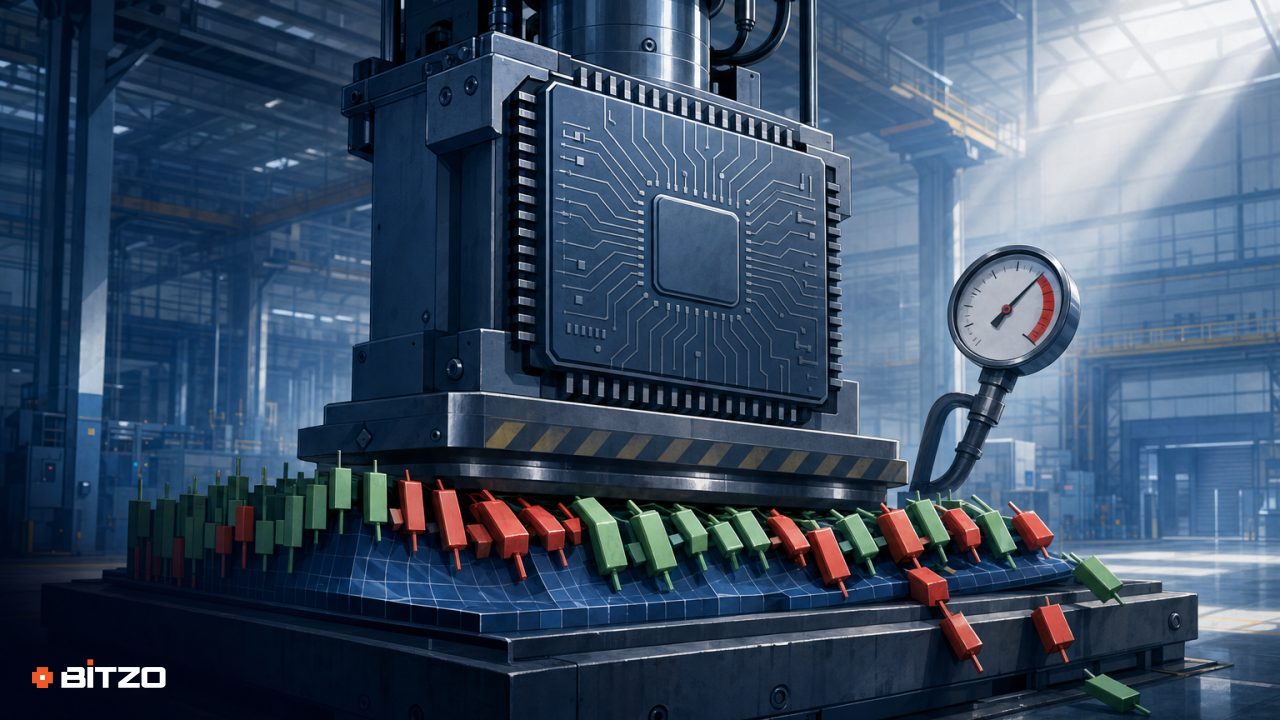
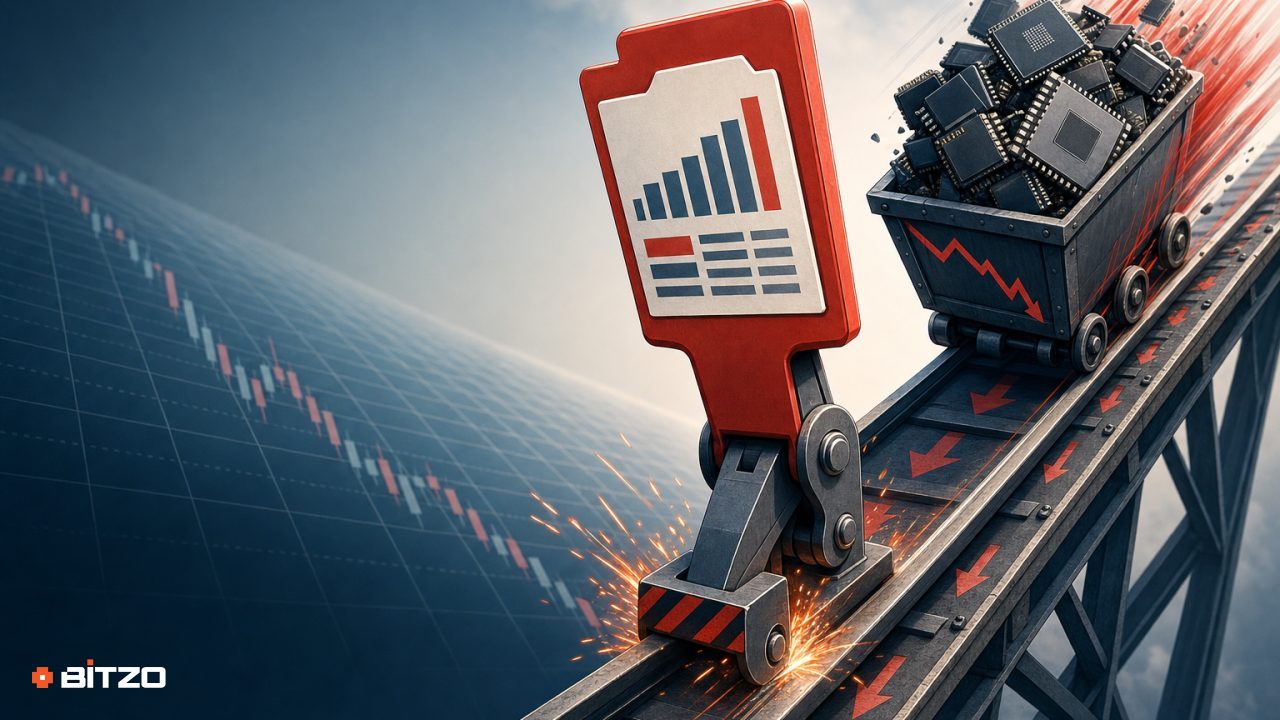
Floodgate Holding Back the Chip Torrent

How to Read Alphabet and Microsoft for Chip Clues

Start with the capex line and management’s wording around AI infrastructure. Then move to bottlenecks: power availability, data center timelines, talent, and vendor delivery windows. If bottlenecks, not demand, are the constraint, chip suppliers can still see multi-quarter visibility. If spend is the constraint, suppliers will feel it quickly in backlog and book-to-bill.

For Alphabet, the Q2 beat with Cloud strength and flagged AI capex is a clear positive signal on demand direction (Alphabet 8‑K). For Microsoft, the upcoming July 29 release will put numbers behind Azure AI usage and infrastructure rollouts (Microsoft IR). Either way, listen for any shift in tone on H2 pace — that’s usually the fulcrum for semis.

Pitfalls & Red Flags

  • Headline beats without capex clarity: A nice revenue print can still sink suppliers if AI infrastructure timing is fuzzy.
  • Inventory illusions: Temporary margin lifts from drawdowns can reverse if orders slow or pricing wobbles.
  • China competition and controls: Policy or competitive intensity can change mix and margins fast.
  • Over-reading one datapoint: Asia selloffs or a single corporate guide can whipsaw you. Look for confirmation across players.
  • Chasing gaps: First move after earnings is often wrong. Wait for the call and the first hour of U.S. cash trading when liquidity returns.

If you want a daily pulse on the crossover between tech equities, digital assets, and macro flows, Bitzo tracks the space with a trader’s lens. Visit Bitzo for ongoing coverage.

Frequently Asked Questions

Are semiconductor stocks officially in a bear market?

By the usual definition, yes — at least as of mid-July. The SOX was roughly 20% below its June record by July 17, 2026, which Reuters highlighted as bear-market territory (Reuters).

Can strong Big Tech earnings really lift chip stocks?

They can, if management confirms sustained AI infrastructure spending. Capex at hyperscalers flows directly into GPUs, memory, packaging, and networking. Weak or delayed capex guidance usually weighs on semis regardless of headline EPS beats.

What should I focus on in Alphabet’s results?

Look at Google Cloud growth and any AI-related capex commentary. In Q2 2026, Alphabet posted strong revenue and flagged higher AI spending, both supportive signals for suppliers tied to data center builds (Alphabet 8‑K).

What about Microsoft’s print?

The fiscal Q4 2026 report on July 29 will be watched for Azure AI demand, power and rack constraints, and multi-year capex language. Those details often move semis more than the consolidated revenue figure (Microsoft IR).

How does Asia trading affect U.S. semiconductor names?

It sets the tone. The recent double-digit drops in Samsung and SK Hynix tightened risk across global semis, with concerns about China competition and AI financing hitting sentiment before U.S. markets opened (Reuters).

What’s the simplest risk control around earnings?

Keep size small into prints, wait for the call, and let the first hour of cash trading pass before adding. If you need exposure, consider pairs to mute market beta.

Disclaimer: This article is provided for informational purposes only. It is not offered or intended to be used as legal, tax, investment, financial, or other advice.

Investment Disclaimer

Share With Others