

Online sportsbooks now accept everything from debit cards and bank transfers to Bitcoin, USDT, and other cryptocurrencies. Both payment methods let you place the same bets, but they follow very different payment rails.
Traditional payments rely on banks, card networks, and payment processors. Bitcoin transactions move across a blockchain without requiring a bank to authorize every transfer. That difference affects costs, settlement times, deposit limits, and even who can access a betting platform.
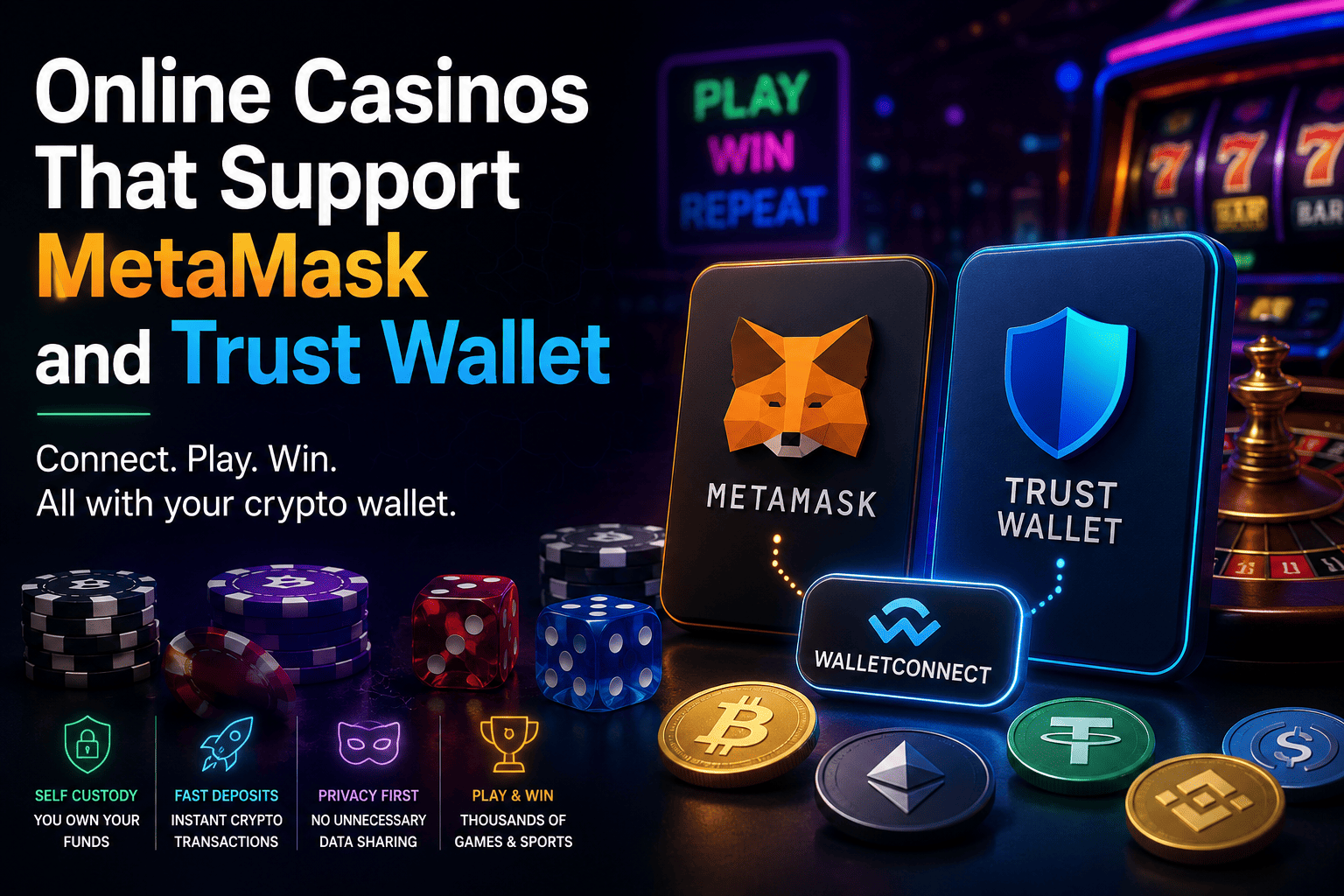
Crypto-native sportsbooks such as Dexsport illustrate this shift. The platform accepts more than 40 cryptocurrencies across 20 blockchain networks, supports wallet connections through MetaMask and Trust Wallet, and offers fee-free deposits and withdrawals while leaving only the underlying blockchain fee to the network itself.
1. Fees: Bitcoin removes several banking costs
The first noticeable difference appears before a bet is even placed.
A traditional sportsbook deposit may involve several intermediaries:
-
Your bank
-
The card network
-
A payment processor
-
The sportsbook
Many operators absorb these costs, but banks can still charge foreign transaction fees, cash advance fees, currency conversion spreads, or gambling-related charges depending on the jurisdiction and payment method.
Bitcoin transactions work differently.
Instead of paying multiple financial institutions, users pay a blockchain transaction fee that goes to miners or validators. The fee depends on network congestion rather than the amount transferred.
For smaller transfers, the Lightning Network can reduce Bitcoin fees dramatically by moving payments off the main blockchain before final settlement.
One point often overlooked is that sportsbooks may still apply their own deposit or withdrawal fees regardless of payment method. Platforms such as Dexsport waive these platform fees, leaving only the blockchain network fee.
2. Speed: settlement works very differently
Payment speed depends on where delays occur.
With debit cards, deposits are often approved almost instantly because the sportsbook receives an authorization rather than immediate settlement. Withdrawals take longer because operators typically review requests, perform fraud checks, and wait for banking networks to process the transfer. Even fast fiat sportsbooks often require several hours or several business days depending on the payment method and verification status.
Bitcoin follows another process.
Once the sportsbook approves a withdrawal, the transaction is broadcast to the blockchain. After the required confirmations, funds arrive directly in the player's wallet.
Modern crypto casinos frequently complete withdrawals within minutes or a few hours, making blockchain settlement one of their biggest operational advantages.
Lightning Network support can shorten Bitcoin transfers even further by enabling near-instant settlement for compatible wallets.
3. Limits: banks and cards have different restrictions
Betting limits are determined by the sportsbook, but payment limits depend on the payment rail.
Card issuers commonly enforce:
-
Daily transaction limits
-
Gambling restrictions
-
Geographic blocks
-
Anti-fraud reviews
Banks may also decline gambling transactions entirely, especially for cross-border merchants. These decisions occur before the sportsbook even receives the payment.
Bitcoin removes many of those banking restrictions.
Anyone with a compatible wallet can transfer funds without requesting approval from a card issuer. Large transfers are also easier because they are not constrained by card network limits, although blockchain confirmation times and the sportsbook's internal withdrawal policies still apply.
Regulated sportsbooks may still require identity verification regardless of whether deposits arrive in Bitcoin or cash.
4. Privacy and control
Cash payments through online sportsbooks rarely involve physical cash. They usually mean bank accounts or payment cards tied to verified identities.
Bitcoin provides greater financial control because users hold their own wallet and authorize every transaction directly.
That does not automatically mean anonymous gambling.
Many regulated operators still require Know Your Customer (KYC) verification before withdrawals or large transactions. Others offer simplified onboarding while maintaining compliance with their licensing rules.
Crypto-native platforms generally give players more flexibility over wallet choice and fund custody. Instead of keeping money inside a payment provider, users decide when to transfer assets and where to store them.
Where Dexsport fits
Dexsport was built around cryptocurrency rather than adapting traditional banking to crypto later.
Players can register through email, Telegram, MetaMask, or Trust Wallet, fund their account with Bitcoin or dozens of other supported cryptocurrencies, and place sportsbook or casino bets without mandatory KYC during registration. The platform supports more than 40 cryptocurrencies across 20 blockchain networks, allowing users to choose the network that best fits their preferred balance between speed and transaction costs. Deposits and withdrawals are processed without additional platform fees.
For players who regularly move funds between wallets, exchanges, and sportsbooks, this multi-chain approach eliminates many of the conversion steps that exist on traditional betting sites.
Which payment method makes more sense?
There is no universal answer because the best option depends on how you use the platform.
Traditional banking works well if you:
-
Already use regulated local sportsbooks.
-
Prefer familiar payment methods.
-
Do not mind KYC or banking procedures.
Bitcoin becomes attractive if you:
-
Want direct wallet-to-sportsbook transfers.
-
Frequently move funds internationally.
-
Prefer blockchain settlement over card networks.
-
Want access to crypto-native platforms with multi-chain support.
Final thoughts
Bitcoin does not change how betting markets work. A football accumulator pays according to the same odds regardless of whether the stake came from a debit card or a crypto wallet.
The payment experience is where the differences appear.
Bitcoin replaces bank approvals with blockchain settlement, changes how transaction fees are calculated, reduces dependence on card networks, and often speeds up withdrawals after sportsbook approval. Traditional banking remains more familiar for many users, while crypto provides greater flexibility for players already operating within the digital asset ecosystem.
Disclaimer: The information here is provided for general purposes only and is not legal, tax, investment, or financial advice, and nothing here is a betting tip or prediction. Market availability and platform features change over time, so confirm current details before betting. Betting carries risk, and rules vary by country, so check the law where you live. Please gamble responsibly, within your means, and only if you are of legal age.